The Art of Indoor Plant Design & Setup
As an Amazon Associate, I earn from qualifying purchases which helps support Zen Plant Care!
Adding plants to your home is more than just a decor trend; it’s about creating a living ecosystem that breathes life into your space. Whether you’re looking to build a jungle room or just want a few sophisticated accents, successful indoor gardening relies on the perfect marriage of design aesthetics and proper installation.
1. The Design Phase: Planning Your Greenery
Before buying every pothos in sight, consider how plants will interact with your existing architecture and lifestyle.
Play with Scale and Height
Don't just line up pots on a windowsill. To create visual interest:
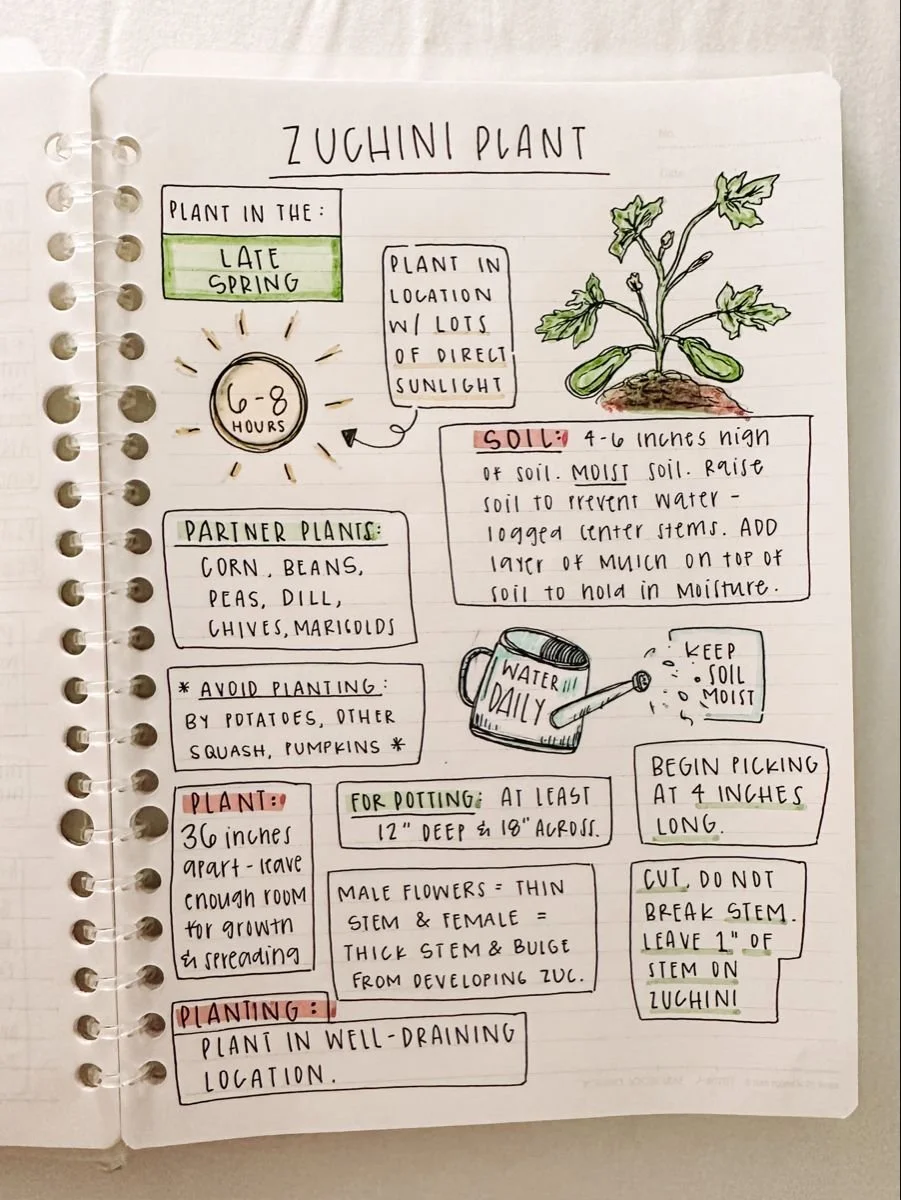
The Rule of Three: Group plants in odd numbers using varying heights. Pair a tall Fiddle Leaf Fig with a mid-sized Snake Plant and a trailing String of Pearls.
Use Vertical Space: Incorporate wall-mounted planters or ceiling hooks to draw the eye upward, making small rooms feel larger.
Get Plant Stand
Choose a Cohesive Palette
Your hardscape (the pots and stands) should complement your interior style:
Minimalist: Concrete, matte black, or white ceramic pots with clean lines.
Boho-Chic: Woven baskets, terracotta, and macramé hangers.
Mid-Century Modern: Teak wood stands and tapered ceramic legs.
Get Pot
2. The Installation: Setting Your Plants Up for Success
Installation isn't just about placing a pot on a table; it’s about ensuring the environmental conditions meet the plant's biological needs.
Light Mapping
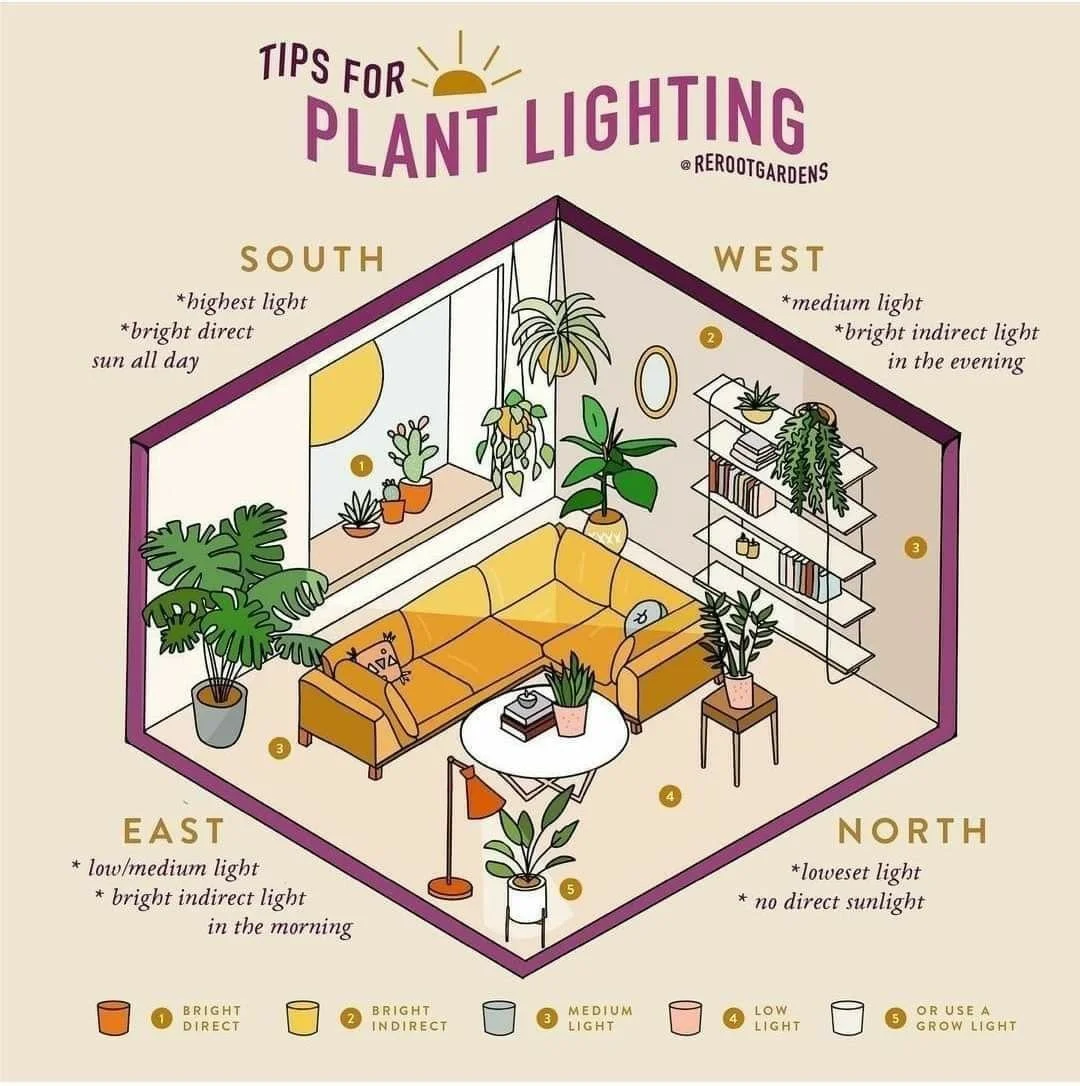
This is the most critical step. Spend a day observing how light moves through your room.
South-Facing: Direct, intense light (Perfect for Cacti and Birds of Paradise).
North-Facing: Low, indirect light (Perfect for ZZ Plants and Pothos).
East/West-Facing: Moderate light with morning or evening sun.
Get Grow Light
Drainage and Flooring Protection
Never underestimate the damage a leaking pot can do to hardwood floors or rugs.
Double Potting (Cachepot): Keep the plant in its plastic nursery liner (with drainage holes) and place it inside a decorative outer pot. This makes watering easier and prevents leaks.
Cork Mats: Place these under heavy ceramic pots to prevent scratches and absorb condensation.
Get Mat For Plants
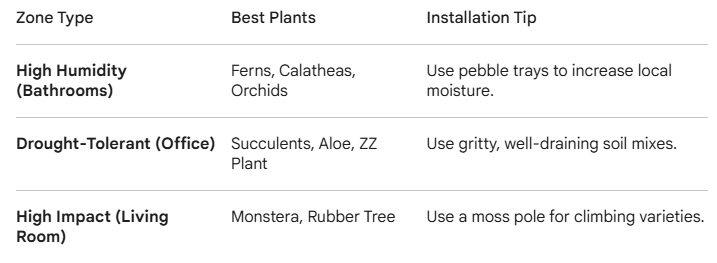
3. Creating “Plant Zones”
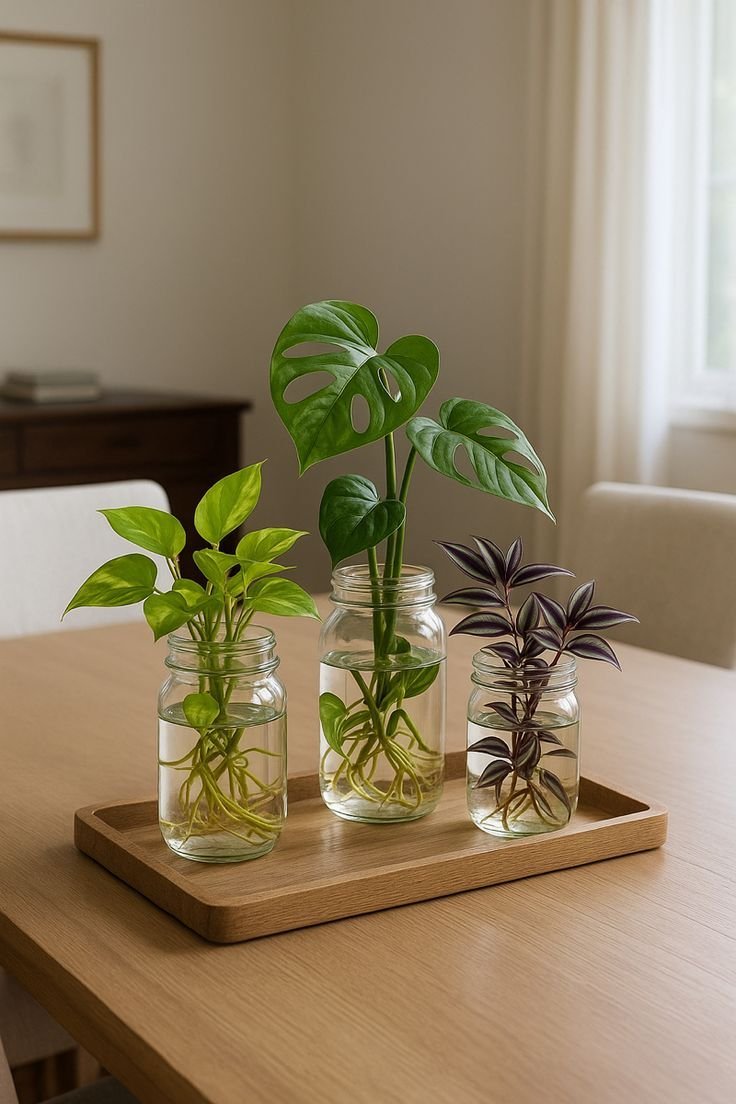
To make maintenance easier and the design more impactful, try zoning your plants based on their humidity needs.
4. Pro-Tips for Longevity
Acclimatization: Plants often go into shock when moved. Give them 2–3 weeks to adjust to your home's light levels before repotting them.
The Finger Test: Before watering, stick your finger an inch into the soil. If it’s dry, water; if it’s damp, wait.
Dusting: In an indoor environment, dust clogs leaf pores. Wipe leaves with a damp cloth once a month to keep them photosynthesizing efficiently.
Final Thoughts
Indoor plant care is a journey of trial and error. Start with a few unkillable varieties, focus on your light sources, and let your collection grow as your confidence does. Your home and your lungs will thank you!
What kind of light does your favorite room get? I'd love to help you pick the perfect plant for that specific spot.
…
Thanks for reading!