3 Steps to Rescue Your Indoor Plants
As an Amazon Associate, I earn from qualifying purchases which helps support Zen Plant Care!
We’ve all been there: you bring home a stunning new tropical plant, find the perfect sun-drenched corner, and for two weeks, it looks like a masterpiece. Then, seemingly overnight, the leaves begin to droop or even worse the dreaded yellowing begins.
At Zen Plant Care, we believe that the difference between a plant parent and a plant pro isn't a magic green thumb, it’s understanding the rhythm of plant treatment. Here is how to move beyond basic watering and into the realm of professional plant wellness.
1. The Art of the "Check-In"

Most indoor plants don't struggle because of a lack of love; they struggle because of a lack of observation. Before you reach for the watering can, perform a 60-second diagnostic:
The Touch Test: Don't just look at the soil. Press your finger an inch or two deep. If it feels like a wrung-out sponge, you’re in the sweet spot. If it’s bone-dry or muddy, it’s time to adjust.
Under the Leaves: This is where the real stories are told. Pests like spider mites or mealybugs love to hide in the crevices. Catching them early makes treatment significantly easier.
Get Moisture Meter
2. Clean Leaves are Healthy Leaves
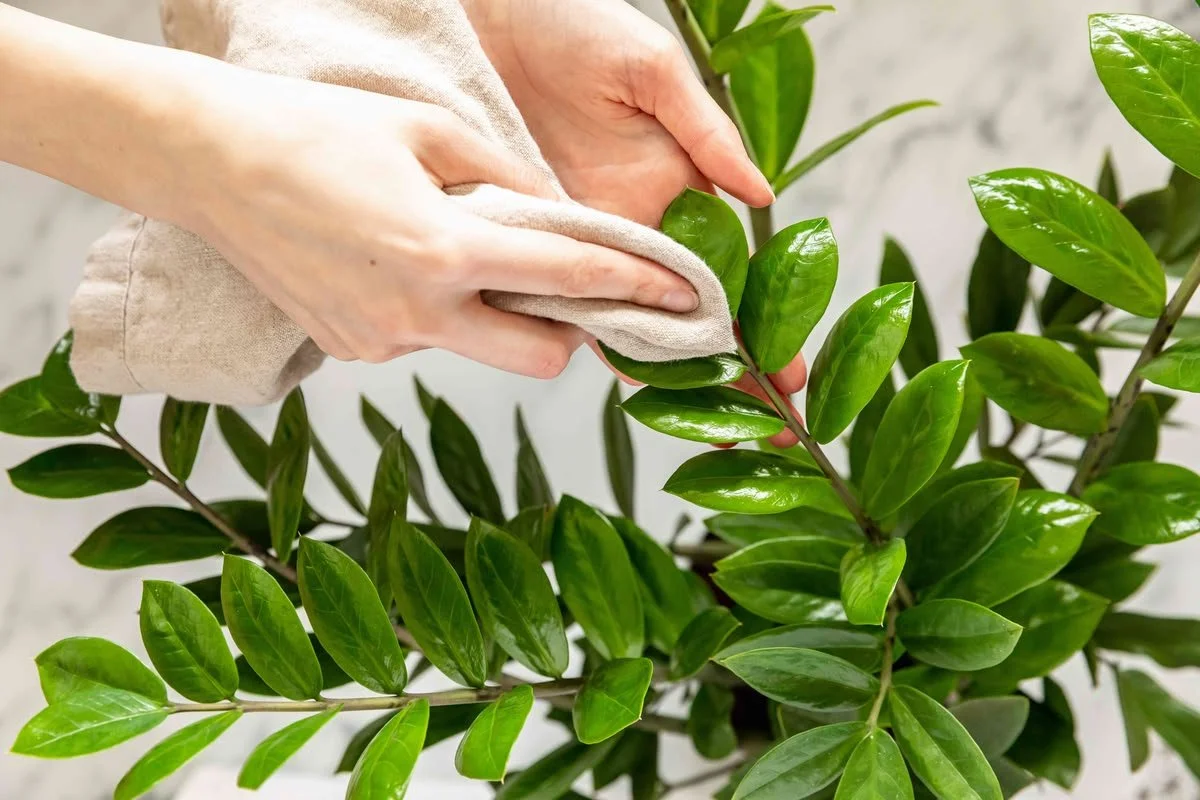
Think of your plant’s leaves as its solar panels. In a home or office setting, dust accumulates quickly, blocking sunlight and clogging the pores (stomata) the plant uses to breathe.
The Treatment: Once a month, gently wipe down leaves with a damp microfiber cloth. For plants with smaller foliage, a gentle lukewarm shower in the sink does wonders for both hydration and dust removal.
Get Microfiber
3. Natural Solutions for a Safer Home
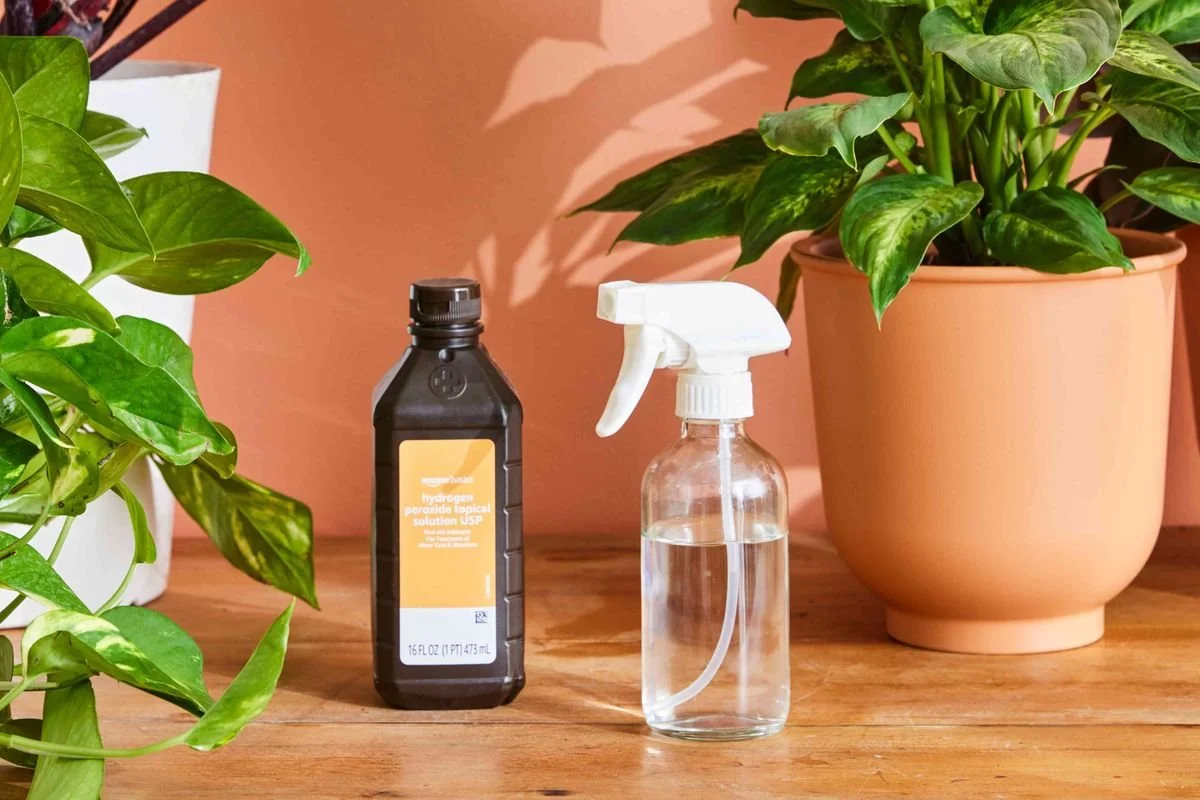
When you do spot a persistent pest or a fungal issue, the instinct is often to grab the strongest chemical available. However, for a healthy indoor environment—especially in homes with curious pets or children—all-natural, pet-safe treatments are the gold standard.
Neem Oil: A versatile, organic powerhouse that disrupts the life cycle of many common pests.
Castile Soap: A gentle mixture can wash away honeydew left by insects without harming the plant's delicate tissues.
Get Root Drops
When to Call in the Specialists
Sometimes, a plant needs more than a quick misting. Whether it’s a massive Fiddle Leaf Fig that’s outgrown its pot or a collection of office succulents that need a professional "reset," tailored maintenance ensures your investment continues to grow.
Pro Tip: If you notice your plant's growth has completely stalled or roots are peeking out of the drainage holes, it’s likely root-bound. Spring is the ideal time for a professional repotting to give those roots the oxygen they crave.
…
Thanks for reading!